

Understanding Fats
Let's explore the science in a way that finally makes sense!

Hi, friend! Happy Tuesday ☺️
We’ve made it to our final leg in our food and nourishment series, and I’m so excited to break down the science with you today.
Hopefully after diving deep together, you’ll feel a little more clarity around our third and final macronutrient…fats.
She’s a BIG one with a lot of controversy. For decades, fats have been super confusing. If I eat fat, will it expand my waistline? Will it clog my arteries or skyrocket my cholesterol? These aren’t fun questions to have to ponder when we’re focusing on nourishing our family’s, but I’ve totally been there too!
You’re not alone if this topic has felt overwhelming. My hope is that today’s post helps debunk some of the myths and fears around fats and lets you see them through refreshed, confident eyes. With that being said, it’s time we dive in!
Fats… Friend or Foe?
Fats come in various forms:
monounsaturated
polyunsaturated
saturated
trans fats
Once consumed, fats break down into fatty acids, which, like protein, help us feel full and satisfied. But fats do much more than that!
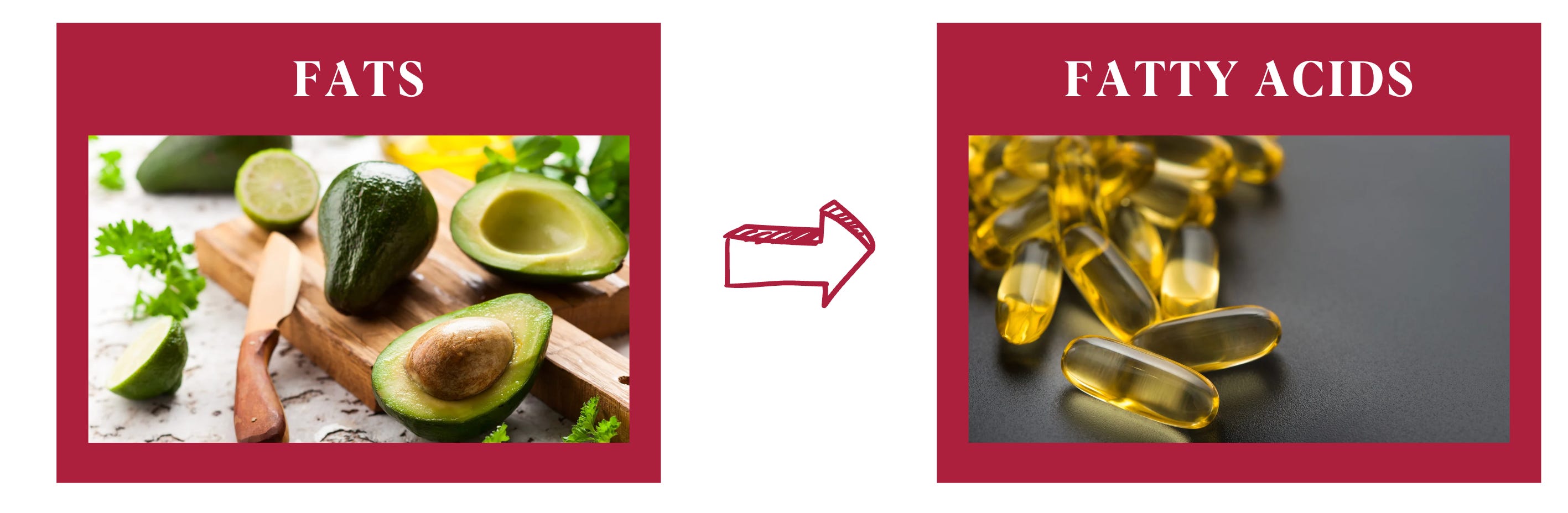
They play a crucial role in hormone production, hydrating our cells, and slowing digestion. All things that help your body feel steady, supported and more balanced.
But here’s something I encourage all my T1D families to remember… not all fats are created equal.
And just to clear up a common myth, eating healthy fats does not make us gain weight. Overeating ultra‑processed foods and chronic inflammation are far bigger drivers than real, whole‑food fats.
Your body loves healthy fats more than you think, and she’s been waiting for this clarity! So, let’s take a closer look at which fats nourish and support our bodies, and which ones might not align with our goals for vibrant health.
Healthy Fats
There are three main types of healthy fats:
monounsaturated
polyunsaturated
saturated
Monounsaturated Fats
Monounsaturated fats are found in healthy oils like olive oil and avocado oil, as well as in foods like almonds and avocados.
For T1D families, these fats are especially helpful because they don’t significantly impact blood sugar levels.
Since fats don’t break down into glucose once ingested, incorporating healthy monounsaturated fats into meals can help you feel satisfied without contributing to sharp blood sugar changes.
They’re a great way to add balance to meals and help keep you fuller for longer, which can be super helpful in managing energy levels and cravings throughout the day.
Plus, monounsaturated fats play a key role in helping your body absorb essential vitamins like A, D, E, and K.
So, when you drizzle olive oil on your salad or add avocado to a meal, you’re doing your body a favor!

Polyunsaturated Fats
Now let’s look at another healthy fat! Polyunsaturated fats are typically liquid and include two essential types: Omega-3 and Omega-6 fatty acids. These fats are vital for cell growth and brain development. Did you know your brain is made up of 60% fat?!
That’s one of the reasons healthy fats are so essential. Your brain depends on them. A great source of polyunsaturated fats is seafood, which is rich in Omega-3s and provides key nutrients for both your body and brain. A family favorite of ours is salmon with a yummy side salad for a quick and easy dinner!

Saturated Fats
Our third and final healthy fat is (drumroll, please!!!) saturated fats. Including them in our healthy category may surprise you because they’ve been misunderstood for years. But let’s look at what the science says.
Saturated fats, found in foods like coconut oil and grass‑fed meats, play an important role in the body. They help support the structure of our cell membranes, contribute to immune function, and carry fat‑soluble vitamins like A, D, E, and K. They’re also involved in how our bodies absorb and use certain nutrients, including minerals like calcium.
By including quality sources of saturated fats in your family’s meals, you’re supporting their overall health, and creating balanced, nutrient-dense meals that can complement stable blood sugar levels.
A total win-win!

Fats That Don’t Serve Us
Now that we’ve covered the fats that nourish and support our health, let’s take a moment to look at fats that don’t serve us as well.
With the rise of processed foods, certain fats can have a negative impact on our well-being. But don’t worry! Small, intentional swaps can make a big difference.
Here are two specific types of fats to steer clear of:
Man-Made Industrial Seed Oils
Man-made industrial seed oils, like canola, corn, vegetable, soybean, safflower, sunflower, grapeseed, and cottonseed, are highly processed and unstable. These oils can oxidize even while sitting on your pantry shelf, and when consumed, they can contribute to inflammation in the body.
Inflammation is linked to increased risks of chronic diseases like heart disease and cancer. It’s not good for our bodies to be inflamed!
Luckily there are healthier alternatives that are just as delicious and easy to use! Great starting points include:
coconut oil
butter (from high‑quality, real sources)
olive oil
I’ll be sure to share more healthy oil alternatives in the future so hang tight!
Trans Fats
Trans fats are another type of fat to limit. These artificial fats were originally created to extend the shelf life of processed foods but don’t offer much in terms of health benefits.
Once ingested, trans fats can negatively affect how our cells function, impacting overall well-being. They’re commonly found in processed snacks like crackers, cookies, cakes, microwave popcorn, and frozen pizza.
Luckily, there are so many healthy, flavorful options available that your family can enjoy instead, and all without sacrificing taste or convenience!
A Simple Supportive Tip
When preparing meals, try incorporating healthy fats like olive oil, avocado, and wild-caught fatty fish.
These not only help keep you full but also support steady energy levels and blood sugar control, which we know is especially valuable for T1D families.
Amazing Job, We Did It!
We just walked through all three macronutrients together, carbohydrates, protein, and fats… woot woot! 🎉
This has been no small task. You took the time to understand the science behind how each macronutrient supports your family’s energy, mood, and blood sugar balance. Truly, you should feel super proud.
As I remind my clients, it’s less about memorizing every category or scientific term, like mono or poly or saturated, and more about tuning into the quality of the foods you choose. A few grounding questions can take you far.
Is this food real?
Did it come from nature?
Can I pronounce the ingredients?
When you use these questions as your compass, nourishing your T1D family becomes simpler, steadier, and so much more intuitive.
Thank you for walking through this food and nourishment series with me! If you missed the first two posts, you can catch up here:
You’re doing such thoughtful, intentional work for your family, and it shows.
As always, I’m cheering you on every step of the way. You got this!
Allee
Disclaimer: The content shared in this post is for informational and educational purposes only and does not substitute for medical advice, diagnosis, or treatment. Always consult with your healthcare provider or your child’s healthcare provider before making changes to diabetes management or overall health routines. As a National Board Certified Health & Wellness Coach, my role is to support, guide, and educate, not to diagnose or treat medical conditions. Thank you!
This is so interesting! I had no idea our brains were made up of 60% fat!? Wild!! Good to learn more about these macronutrients!